Issue profile: Horizon and AI for science
AI is increasingly central to scientific research, and policymakers are beginning to respond. In November, the Trump Administration launched the Genesis Mission, a Department of Energy effort to connect the national labs into an integrated AI platform for scientific discovery. The National Science Foundation has continued to scale its National AI Research Institutes program and the National AI Research Resource. And the national labs themselves are increasingly deploying AI as a routine part of their research.
Horizon’s work on AI for science has grown substantially over the past year, in response to and in anticipation of this shift. This post, the first in a series on specific focus areas of our programming, lays out what we have been doing.
Convening senior leaders
The AI Policy Leadership Network (APLN), organized by Horizon with the Foundation for American Innovation and the Center for a New American Security, brings together senior leaders from across the AI policy ecosystem for evening discussions with key figures in the field and a multi-day learning trip to the San Francisco Bay Area. AI for science has been one of the inaugural cohort’s recurring themes.
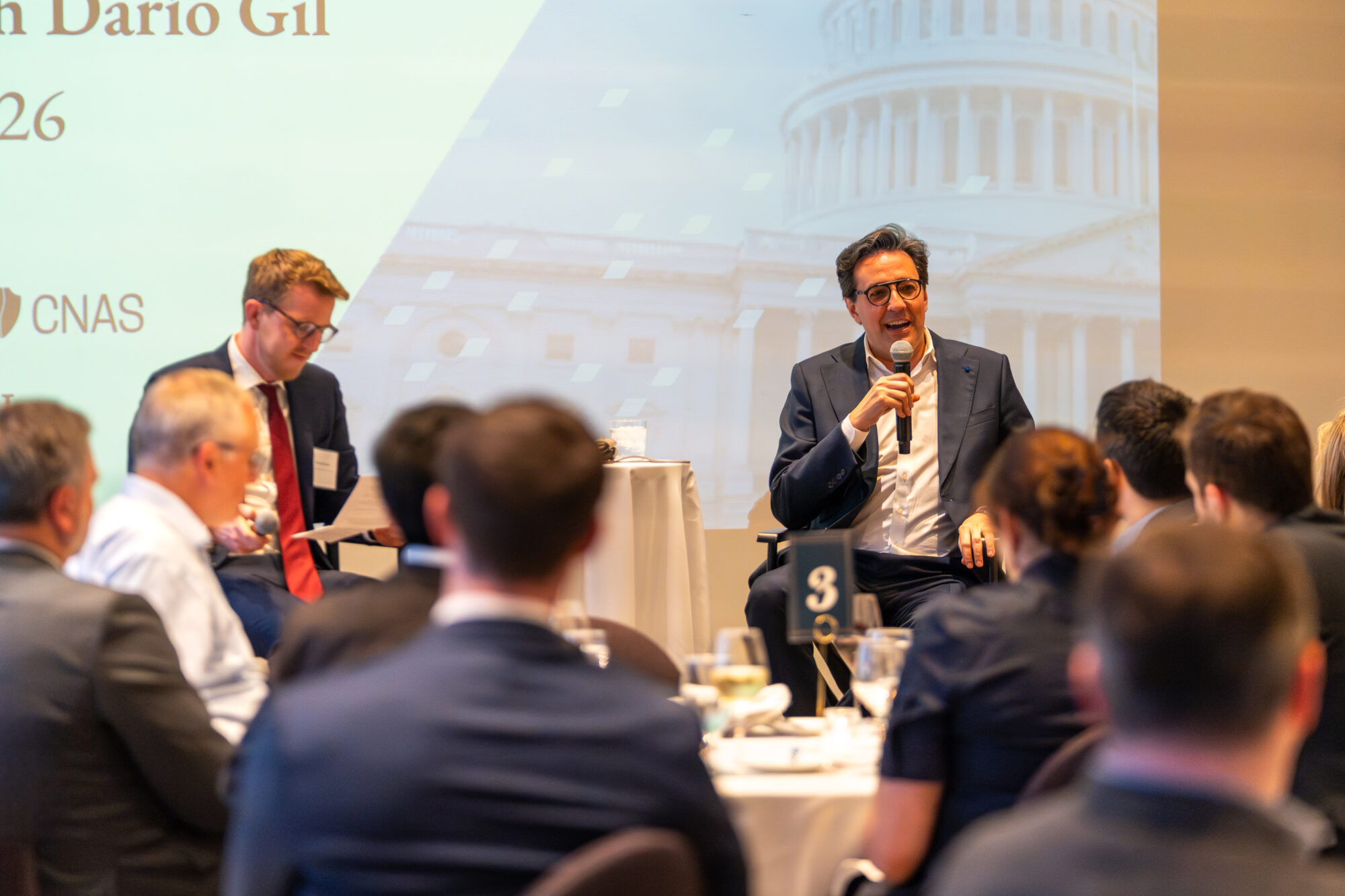
In April, APLN convened in Washington for a dinner with Darío Gil, Under Secretary for Science at the Department of Energy and the head of the Genesis Mission. As the leader of the federal government’s most ambitious AI-for-science initiative, Gil has a clear view of where the technology is heading and what it will demand of policy. Co-Executive Director Remco Zwetsloot moderated a conversation on Gil’s priorities at DOE and his outlook on the technological progress ahead.
Two weeks later, the cohort traveled to the Bay Area for three days of site visits centered on a full day at Lawrence Livermore National Laboratory. The morning began with a briefing from Brian Spears, Technical Director of the Genesis Mission and director of LLNL’s AI Innovation Incubator, on the Mission’s goals and how LLNL is contributing to them. Subsequent briefings from lab leadership covered AI applications across LLNL’s research portfolio, from biosecurity to critical infrastructure.
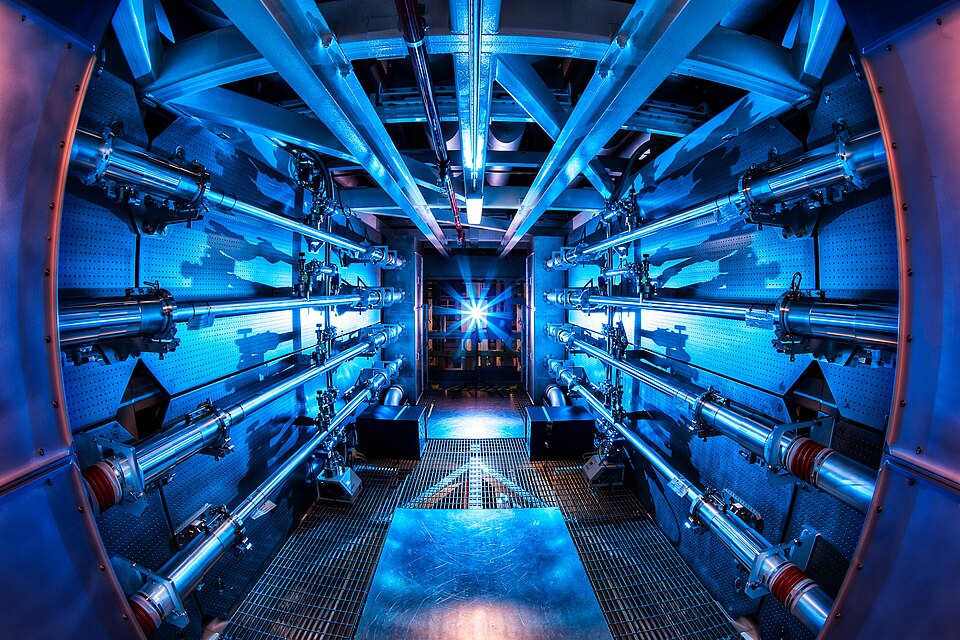
Photo: Damien Jemison / Lawrence Livermore National Laboratory. CC BY-SA 3.0.
Later that day, the cohort stopped by LLNL’s High Performance Computing Center, which employs the world’s fastest supercomputer to run AI-based experiments and simulations. At the Advanced Manufacturing Laboratory, researchers demonstrated how they use AI to design materials and components for fusion, hypersonics, and the nuclear stockpile. And at the National Ignition Facility, the cohort learned how the lab achieved the first fusion ignition reaction in a laboratory in December 2022, an outcome Spears’s team had predicted through machine learning.
The cohort then spent an afternoon at Twist Bioscience, a synthetic biology company at the frontier of AI-driven drug discovery. Twist staff briefed the cohort and showed them the company’s silicon-based DNA writers in operation. The conversation that followed traced how AI is reshaping synthetic biology, both in the new therapeutics it is making possible and in the biosecurity questions that come with that progress.
Placements and partnerships
Alongside this convening work, Horizon supports individual technical experts moving into roles at the institutions shaping AI and science policy. Horizon Fellows and alumni are working on AI-for-science questions across a range of institutions, including Lawrence Livermore National Laboratory, the Department of Energy, Renaissance Philanthropy, SeedAI, and congressional offices.
Horizon also collaborates with peer organizations to expand the broader pipeline of technical talent into the field. Horizon supported the AAAS Science & Technology Policy Fellowship as it launched an AI-focused track, helping to bring more AI-fluent fellows into agencies working on science and technology policy. Horizon is also a member of the Accelerate Science Now coalition, a SeedAI-led effort to expand AI’s role in U.S. scientific research, which brings together nonprofits, academics, industry, and policy organizations around shared field-building goals.
Looking ahead
The institutions shaping AI for science, including agencies, national labs, philanthropies, and congressional offices, will need a steady supply of expertise in the coming years. Horizon will continue building in this space throughout 2026, including through new fellowship placements, additional APLN programming, and continued work with partner organizations.
If you’re a technical expert interested in working on AI and science policy, we’d encourage you to express interest in our career support. And if you lead an agency, congressional office, or research organization that could benefit from technical talent in this space, please consider filling out our host office interest form.